🇪🇸 Moving to Spain? Here Are the Cultural Expectations You Should Know
A practical guide for expats, digital nomads & long-term visitors
Spain is one of the most welcoming countries in Europe, but like every place, it has its own cultural rhythm. Whether you’re relocating for work, lifestyle, or adventure, understanding what Spaniards expect socially and culturally will make your transition smoother — and help you feel at home much faster.
Below are the key cultural expectations, norms, and everyday “unwritten rules” you’ll want to know before making the move.
🌞 1. Life Happens Slowly — and That’s a Beautiful Thing
If you’re coming from a fast-paced culture, one of the first things you’ll notice is Spain’s tranquilidad. Life is slower, calmer, and less pressured.
What this means in daily life:
- Expect longer meals and longer conversations.
- Customer service is friendly but not rushed.
- Government paperwork (“la burocracia”) can take time — deep breaths help.
- People prioritize enjoying life over squeezing productivity out of every hour.
The Spanish pace isn’t laziness — it’s intentional. Spaniards value balance and pleasure. Once you adjust, you may love it.
🕒 2. Time Is Flexible — Schedules Are More of a Guideline
Spain runs on its own unique timetable:
- Lunch often happens at 2–3 PM.
- Dinner can start as late as 9–10 PM.
- Social meetups begin later in the evening.
- Arriving 5–10 minutes late is normal (though not for work meetings).
- Local small to medium businesses most often close in the afternoon for a break or siesta. If you are familiar with Italy for example. This shouldn’t come as much of a shock. In both countries, most stores will close from 1-3pm. But, they do stay open later. It is not uncommon for shops to still be open at 7-8pm.
If you’re used to strict punctuality, don’t panic — Spanish timing simply reflects the climate, lifestyle, and social norms.
🗣️ 3. Communication Is Direct — But Also Warm
Spaniards tend to be open, expressive, and honest.
What to expect:
- People will tell you what they think — straightforwardly.
- Conversations involve gestures, emotion, and humor.
- Debates and disagreements aren’t personal; they’re part of communication.
- People stand closer when talking and maintain more eye contact.
This vibe is friendly, human, and lively — but it may feel intense if you come from a more reserved culture.
👋 4. Personal Space Is Smaller (And Touch Is Normal)
In Spain, physical closeness is a sign of friendliness, not invasion.
- Two kisses (one on each cheek) are common greetings among friends and acquaintances.
- People may touch your arm while speaking.
- Crowded cafés, bars, and public spaces are normal and accepted.
- It’s normal for friends to share food, drinks, or stand close.
If you need more space, just remember: it’s cultural, not personal.
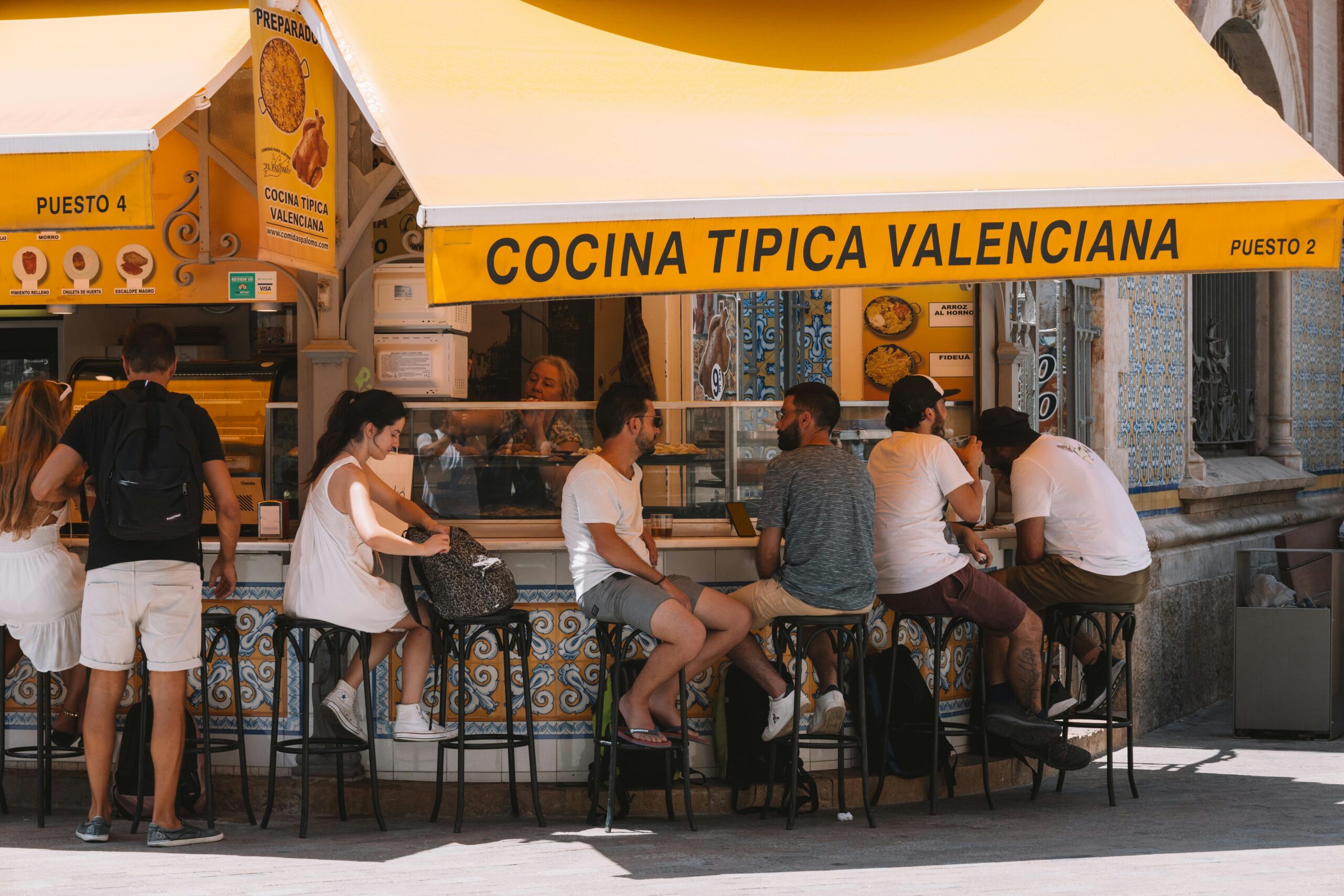
🍽️ 5. Eating Together Is Sacred
Meals are not just for eating — they’re for connecting.
Spaniards expect meals to be:
- Long
- Social
- Loud
- Shared
If you’re invited to someone’s home — lucky you! Bring a small gift: wine, dessert, or something from your home country.
Also, don’t expect to rush through dinner — you’ll probably be at the table for hours.
🤝 6. Relationships Matter More Than Formality
Spain places a strong emphasis on personal connections.
- Expect to spend time building trust before getting down to business.
- Meetings, collaborations, and work relationships often rely on personal rapport.
- People respect authenticity, honesty, and friendliness over rigid professionalism.
When you value people, they value you back.
🛍️ 7. Support Local — and Get to Know Your Neighborhood
Spanish culture is very community-oriented.
You’ll notice:
- People greet neighbors regularly.
- Local markets (“mercados”) are central to daily life.
- Small businesses are preferred over big chains.
- Areas have strong identities and local pride.
Making an effort to learn shopkeepers’ names or join local events will help you feel included faster.
💬 8. Language Matters — Even Basic Spanish Goes a Long Way
You don’t need to be fluent, but showing effort means everything.
What Spaniards appreciate:
- Saying hola, gracias, and por favor.
- Trying to order food or ask directions in Spanish.
- Not assuming everyone speaks English.
Even small attempts signal respect — and locals will often encourage and help you.
🪩 9. Socializing Is an Essential Part of Life
Spain has one of the most social cultures in Europe.
Expect:
- Regular gatherings with friends (quedadas).
- Outdoor life — terraces, plazas, parks.
- Celebrations for national, regional, and local festivals.
- Late nights and long weekends.
Saying “yes” to invitations helps you integrate quickly.
🇪🇸 10. Regional Identity Is Very Important
Spain isn’t culturally uniform.
Regions like Catalonia, Basque Country, Galicia, Andalusia — all have distinct:
- Traditions
- Languages
- Foods
- Attitudes
- Cultural pride
Show curiosity and respect for these differences — it’s a crucial part of living in Spain.
📌 Final Thoughts: Adapting to Spanish Culture Is a Rewarding Journey
Moving to Spain means embracing warmth, community, slower living, and deep social connection. It’s a lifestyle shift — but one that many expats come to love.
If you go in with curiosity, patience, and a willingness to adapt, Spain will likely welcome you with open arms…and two kisses.